In this article
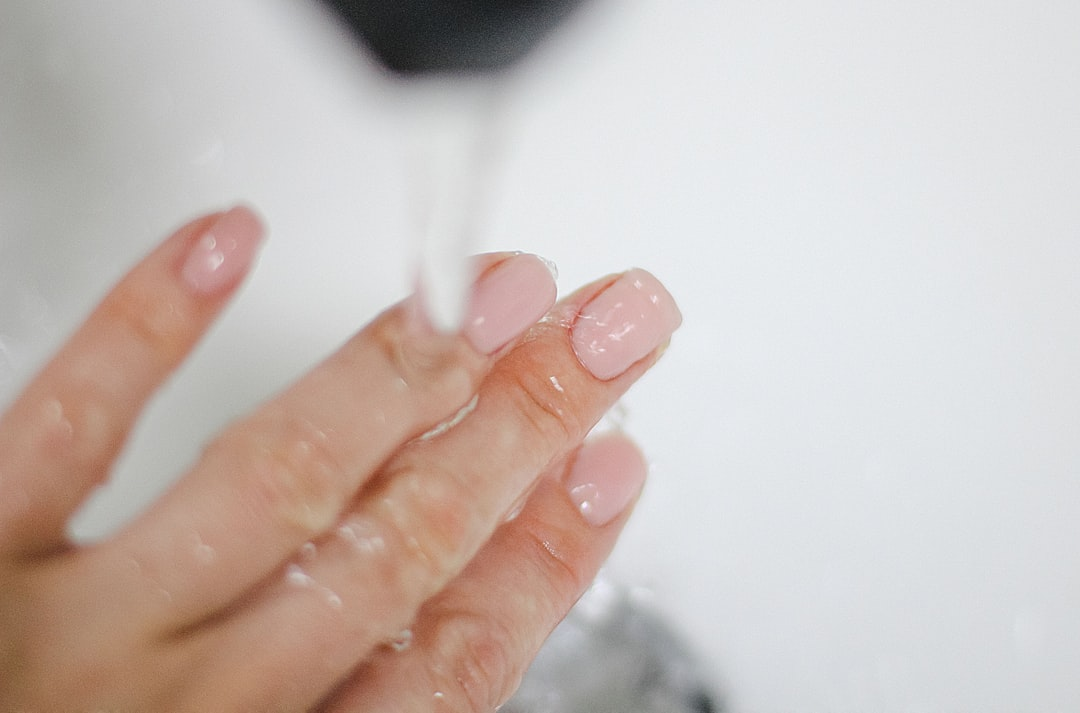
You may have heard that nails need to breathe between gel manicures. This advice is common, especially when nails look dry, thin or weak after product removal.
But do nails really need to breathe? The simple answer is no. Nails do not absorb oxygen from the air in the same way as skin or lungs. However, taking a break from gel or other coatings can still be useful when the natural nail has been damaged, over-filed or repeatedly peeled.
Do nails need to breathe?
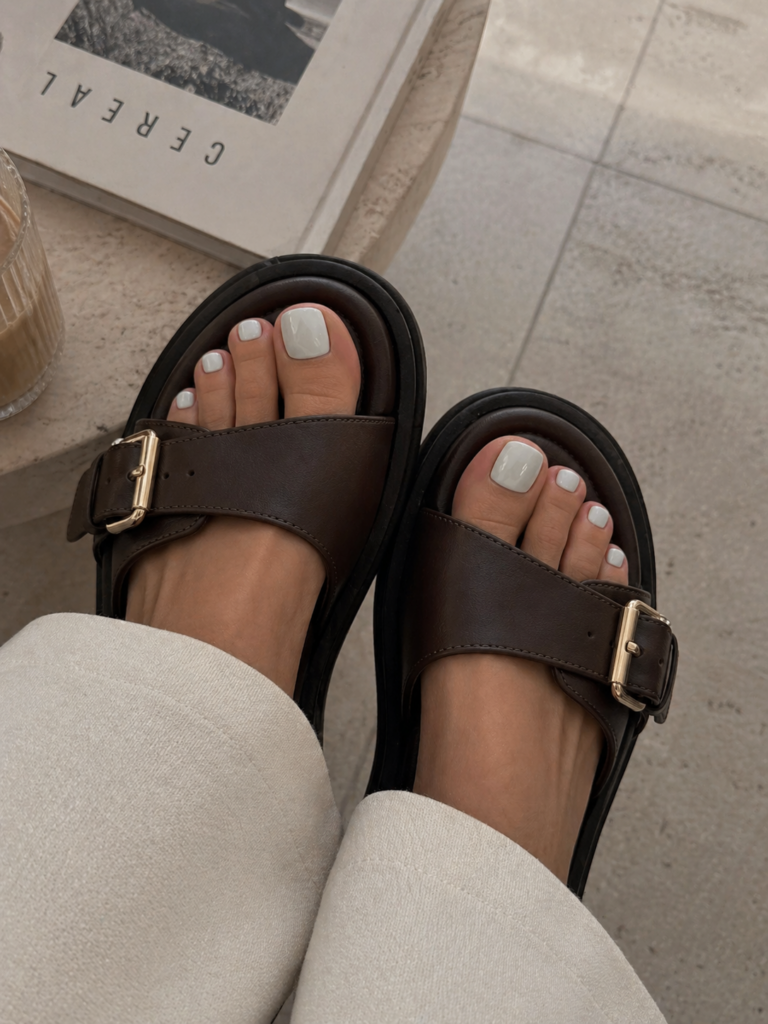
Nails are made mainly from keratin, a strong protein that also forms part of the hair and skin. The visible nail plate is made of dead, compacted cells.
Because the nail plate is not living tissue, it does not breathe through the surface. Oxygen and nutrients reach the living tissue that creates the nail through the bloodstream, not through air exposure.
This means nail polish, gel polish, BIAB or builder gel does not suffocate the nail. Covering the nail does not stop it from receiving oxygen.
Why do people think nails need air?
The myth usually begins after someone removes a manicure and notices that the natural nails look dry, rough, thin or discoloured.
It is easy to assume that the coating blocked air. In reality, the problem is more often connected to removal, preparation, product application or home habits.
For example, peeling gel polish from the nail can remove thin layers of the nail plate. Aggressive filing can also make the nail feel soft and weak.
The nail may then look healthier after several weeks without product, but this happens because the damaged section grows out and is protected from further stress, not because the nail has started breathing again.
What actually causes weak nails after gel polish?
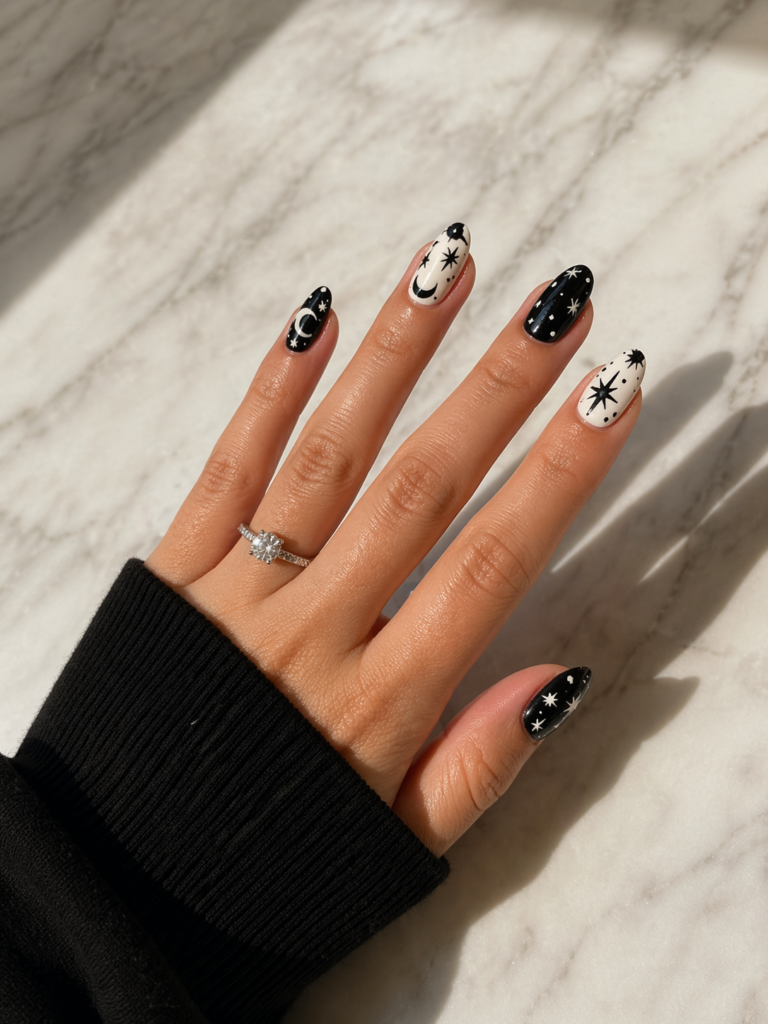
Peeling the product off
Gel polish forms a strong bond with the surface of the natural nail. When it is pulled or peeled away, small layers of the nail plate may come off with it.
This can leave the nail rough, flexible and sensitive. Repeating the process several times may make the damage more noticeable.
Over-filing during preparation
The natural nail usually needs light preparation before gel application. This does not mean that large amounts of the nail plate should be removed.
Aggressive filing or buffing can make the nails thinner. The problem is not the presence of gel itself, but the damage created before application or during removal.
Incorrect removal
Different products require different removal methods. Some gel-polish systems can be soaked off, while builder products may need careful filing.
Forcing off product before it is ready or filing without control can damage the natural nail.
Excessive length
Long nails experience more pressure during daily activities. If the structure is not strong enough, the natural nail can bend under the product.
Repeated bending may lead to cracks, lifting or stress around the free edge.
Using nails as tools
Opening cans, scraping labels and pressing hard surfaces with the nails creates mechanical damage. A coating may add strength, but it cannot protect the nail from every impact.
Frequent contact with water and chemicals
Natural nails can absorb small amounts of water. Repeated wetting and drying may make them expand and contract.
Cleaning products can also dry the surrounding skin and cuticles. Gloves help reduce this repeated exposure.
Should you take a break from gel nails?
A break is not automatically necessary after every manicure. Healthy nails can usually be maintained with correct preparation, suitable products, professional removal and regular aftercare.
However, a break may be sensible when the natural nail is visibly damaged or uncomfortable.
Consider pausing gel services when:
- The nails are very thin or flexible.
- The nail plate is peeling in layers.
- The nails feel painful or sensitive after removal.
- There are deep scratches from filing.
- Several nails have cracked or split.
- The product repeatedly lifts because the nail surface is damaged.
- You have redness, swelling, itching or another possible reaction.
A break should not mean simply leaving damaged nails long and unprotected. Keeping them short, using cuticle oil and avoiding further trauma can help while the damaged area grows out.
How long should you rest your nails?
There is no universal number of days that suits everyone. The correct period depends on the condition of the natural nail and the type of damage.
Minor dryness may improve with better aftercare and does not always require stopping manicures. Visible thinning or peeling may require several weeks because damaged nail cannot repair itself in the same way as living skin.
The affected part must gradually grow toward the free edge. Fingernails grow slowly, so complete replacement of the nail plate takes months rather than days.
A professional nail technician can check whether you need a full break, a shorter manicure or a different product system.
Can gel polish damage natural nails?
Gel polish does not automatically damage nails. The main risks are usually linked to incorrect preparation, removal, curing or repeated physical damage.
A well-applied gel manicure should not require heavy filing of the natural nail. It should also be removed without peeling or forcing the product away.
Problems may appear when clients remove product at home, delay maintenance for too long or continue covering nails that already show signs of damage.
The technique, product choice and condition of the nail matter more than the simple fact that a coating is present.
Does nail polish block moisture?
Nail coatings create a barrier over the nail plate, but they do not make the nail completely waterproof.
The natural nail can still be affected by water around the free edge, sidewalls and areas where the product has lifted.
A coating may reduce direct exposure of the nail surface, but it does not replace gloves, careful cleaning habits or regular maintenance.
How to keep natural nails healthy under gel
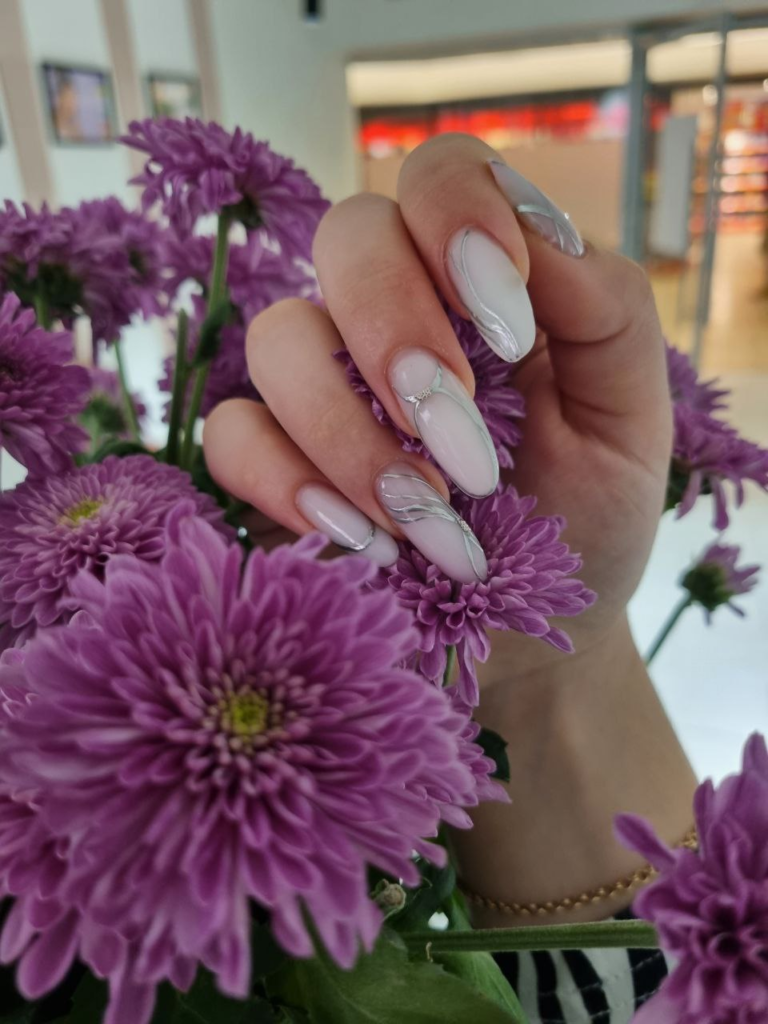
Choose the right product
Basic gel polish may be suitable for strong, short natural nails. Flexible, weak or longer nails may need additional structure from BIAB or builder gel.
More product is not always better. The system should match the natural nail and the client's lifestyle.
Keep a practical length
Very long nails create more leverage and pressure. A shorter length is often more durable for people who type, clean, lift objects or work with their hands.
Book maintenance on time
As the nail grows, the product structure moves forward. The manicure becomes less balanced and more likely to crack or lift.
Regular maintenance helps restore the correct structure before damage occurs.
Use cuticle oil
Cuticle oil supports the skin around the nail and helps reduce dryness. It does not make the nail breathe, but it can improve flexibility and appearance.
Apply a small amount regularly and massage it around the cuticle and sidewalls.
Wear gloves
Use gloves when cleaning, washing dishes or working with strong chemicals. This protects the manicure and reduces repeated contact with water.
Do not peel the product
Even a small lifted edge should not be pulled. Contact your nail technician so the unstable area can be repaired or removed safely.
What should you do after gel removal?
After professional removal, the natural nails should not be deeply scratched or painfully thin.
Keep the nails at a manageable length and avoid aggressive buffing at home. Use cuticle oil and hand cream regularly.
If the nails feel flexible, reduce pressure on the tips and avoid using them as tools. A clear protective coating may be suitable in some cases, but it should not hide serious damage or symptoms.
At Glossy Nails Art in Leiden, the natural nail can be assessed before choosing whether to apply gel polish, BIAB, builder gel or no product at all.
Myth or fact: common nail breathing claims
Myth: Nails need several days without polish to absorb oxygen
Nails receive oxygen and nutrients through the bloodstream. Removing polish does not allow the visible nail plate to breathe.
Fact: A break can help damaged nails grow out
A break may reduce further filing, peeling and pressure. This gives the damaged area time to grow toward the edge.
Myth: White spots mean the nail lacked air
White spots can have several causes, including minor trauma to the nail. They are not evidence that the nail could not breathe.
Fact: Incorrect removal can weaken nails
Peeling or aggressive filing can remove layers of the nail plate and make the nails feel thin.
Myth: All gel products damage natural nails
Damage is not inevitable. Correct technique, suitable products and safe removal make a significant difference.
When should you avoid covering the nail?
Do not cover a nail simply to hide a problem. If there is pain, swelling, redness, unusual colour, separation, discharge or a strong odour, the nail should be assessed before another cosmetic service.
A nail technician cannot diagnose or treat a medical condition. Persistent or serious symptoms should be examined by a doctor or dermatologist.
Possible allergic reactions also require caution. Itching, swelling or skin irritation around the nails should not be ignored.
When to visit a professional nail technician
Visit a professional if you are unsure whether your nails need a break. The technician can check the thickness, flexibility and condition of the nail plate.
Sometimes the best option is a shorter shape, gentler removal or a different product. In other cases, the safest decision is to leave the nail without gel until the damaged section has grown out.
Glossy Nails Art in Leiden can help you choose a service based on the actual condition of your natural nails rather than following a general rule.
Final thoughts
Nails do not need to breathe through the surface. Gel polish and other coatings do not block the oxygen supply to the nail.
However, nails can still become thin, dry or damaged because of peeling, over-filing, incorrect removal, excessive length or repeated pressure.
A break can be useful when it prevents further damage and allows the affected area to grow out. The better long-term strategy is correct application, safe removal, realistic length and consistent aftercare.
Frequently asked questions
Quick answers
Do nails need to breathe between gel manicures?
No. The visible nail plate does not breathe. Oxygen and nutrients reach the living nail tissue through the bloodstream.
Should I take a break from gel polish?
A break may help if your nails are thin, peeling, painful or damaged. Healthy nails do not automatically need a break after every manicure.
How long should nails rest after gel removal?
There is no fixed period. Minor dryness may need only better aftercare, while visible thinning or peeling may require several weeks or longer to grow out.
Does gel polish make natural nails weak?
Gel polish does not automatically weaken nails. Damage is more often linked to peeling, over-filing, incorrect removal or unsuitable length and structure.
Can BIAB help weak nails?
BIAB may provide additional structure for some weak or flexible nails, but it should be selected and applied according to the condition of the natural nail.
When should I see a doctor about my nails?
Seek medical advice for persistent pain, swelling, redness, discharge, unusual colour, strong odour or significant separation of the nail.
Glossy Nails Art · Leiden
Ready for healthy, beautifully finished nails?
Unsure whether your nails need a break or a different product? Book an appointment at Glossy Nails Art in Leiden for a professional assessment and a manicure plan suited to your natural nails.
This article provides general nail-care information and does not replace medical advice. For pain, swelling, discolouration or suspected infection, consult an appropriate healthcare professional.