In this article
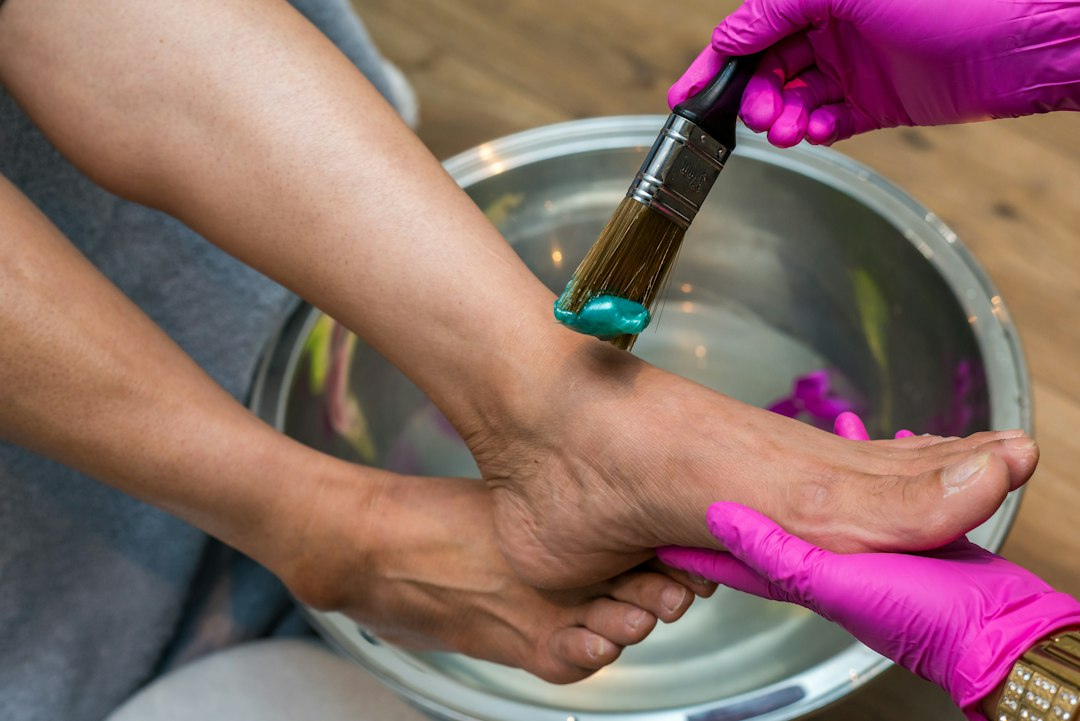
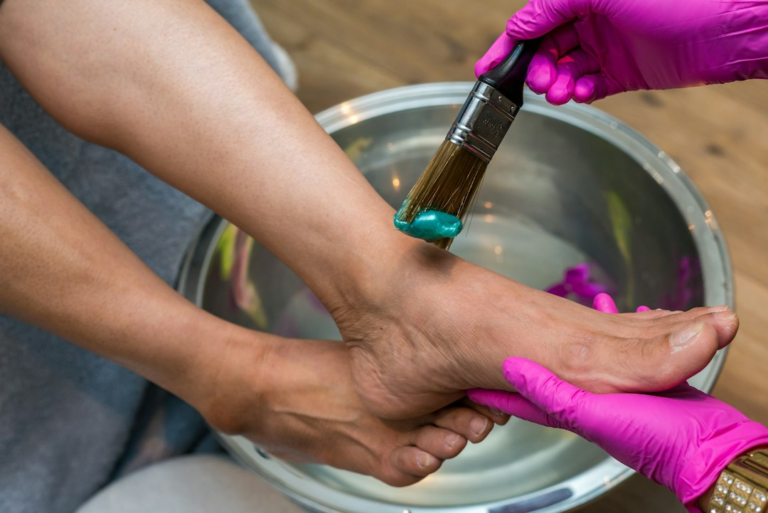
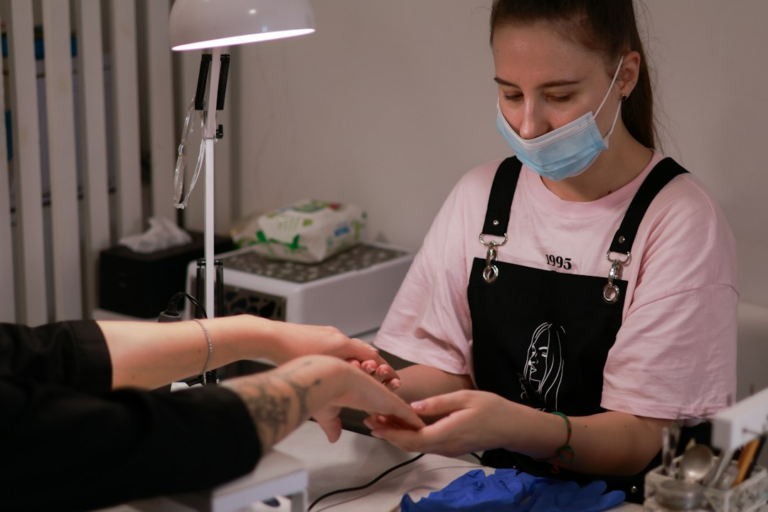
A pedicure is not only for summer holidays or open shoes. Regular foot care helps keep toenails neat, manage dry skin and notice small changes before they become more uncomfortable.
So, how often should you get a pedicure? For many people, every four to six weeks is a practical starting point. The ideal schedule depends on nail growth, skin condition, daily pressure and the type of treatment you choose.
How often should you get a pedicure?
A common maintenance interval is between four and six weeks. During this period, toenails grow visibly and areas of dry or thickened skin may begin to return.
Some clients need appointments more often. This may include people with fast-growing nails, recurring callus, intensive exercise routines or shoes that create additional pressure.
Other clients can wait longer, particularly when the skin remains comfortable, the nails grow slowly and there is no gel polish or corrective work to maintain.
Why is the ideal schedule different for everyone?
Your toenail growth rate
Toenails grow more slowly than fingernails, but the speed is different for each person. Faster growth makes the regrowth line more visible and may affect how neat gel polish looks over time.
Nail length also matters. Toenails that become too long can press against closed shoes and become uncomfortable.
The condition of your skin
Dry heels, rough areas and callus return more quickly for some people. Clients who stand, walk or exercise frequently may notice thickened skin sooner.
If your skin remains soft and comfortable, a longer period between appointments may be sufficient. If callus returns quickly, more regular maintenance may be practical.
Your shoes and daily activities
Narrow shoes, high heels, work shoes and intensive sports can create extra pressure on the toes and forefoot. This may mean your nails and skin need attention sooner.
Walking long distances or standing for many hours can also affect the condition of your feet.
The type of pedicure
A maintenance pedicure without colour follows a different schedule from a treatment with gel polish. With gel polish, the condition of the feet matters, but so do visible regrowth and product stability.
A spa pedicure may focus more on relaxation, hydration and appearance. A more technical service may require a more specific maintenance plan.
How often should you get a pedicure with gel polish?
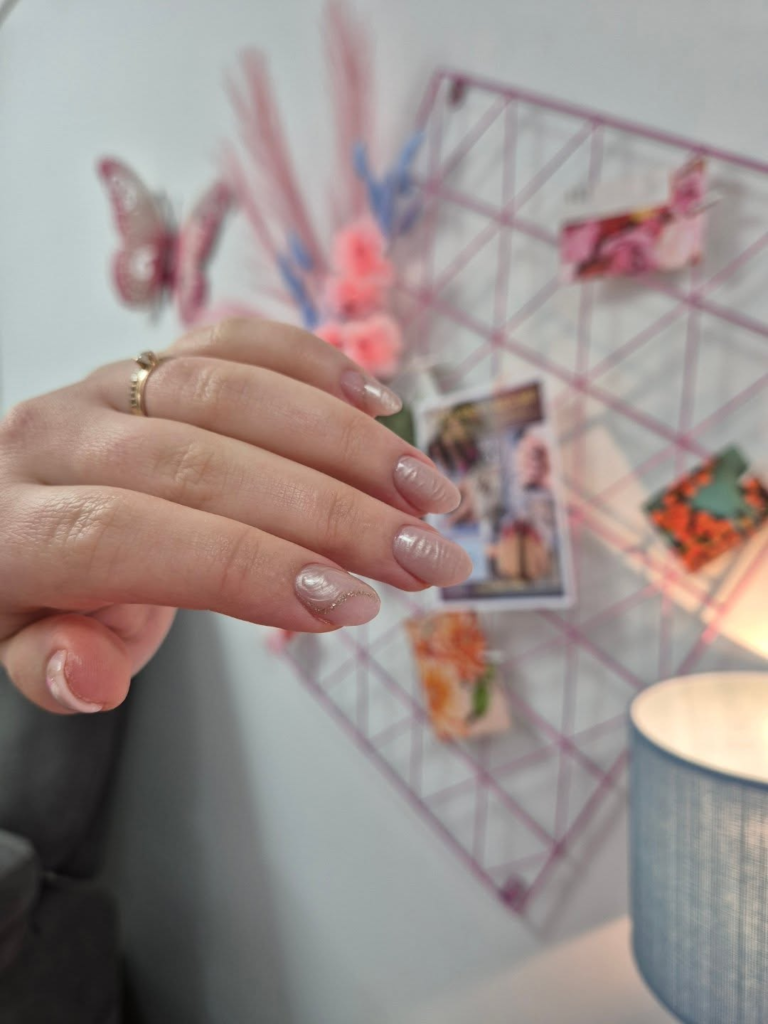
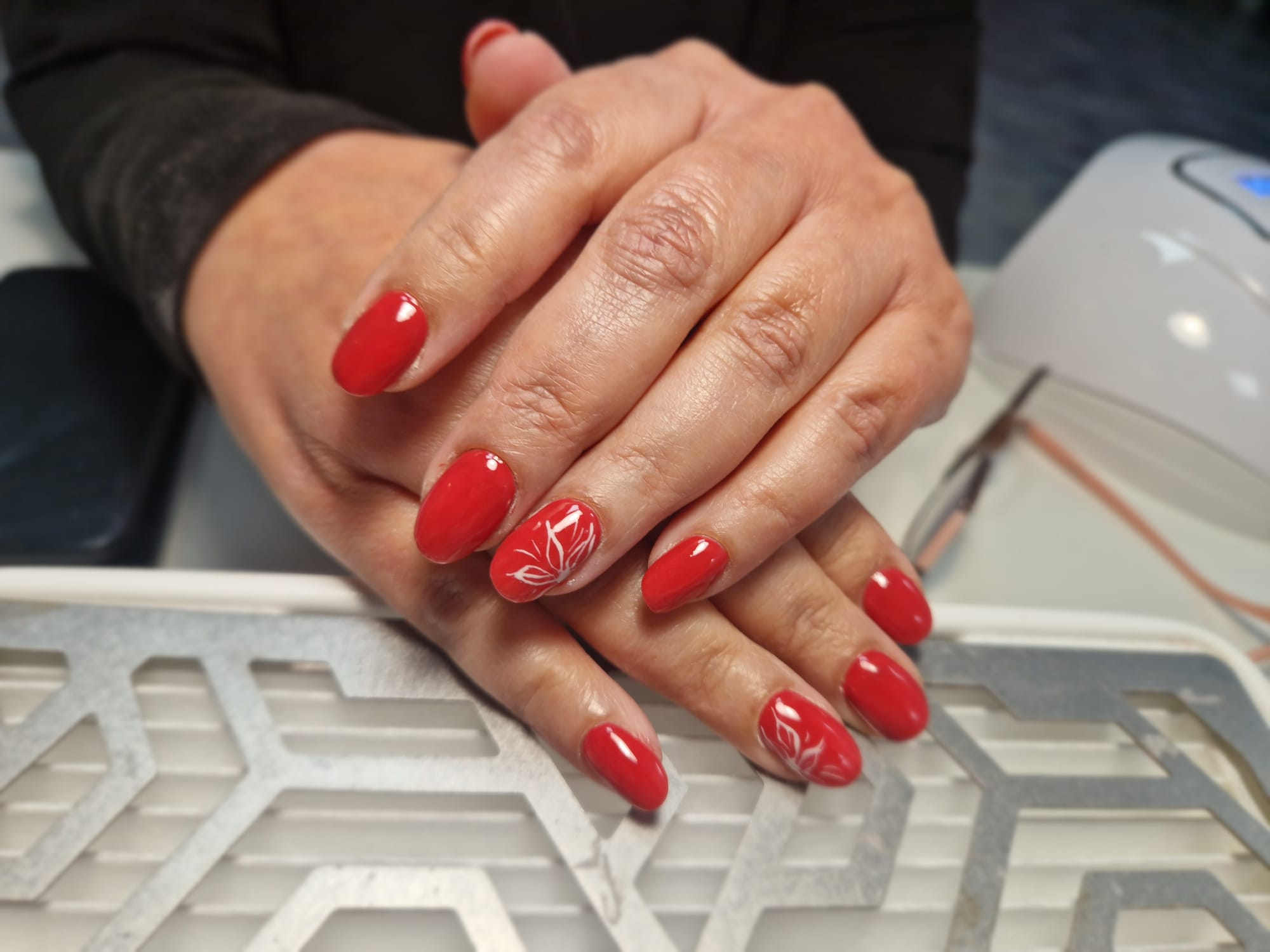
Gel polish on toenails often stays neat longer than gel polish on fingernails because toes are not used for daily tasks. However, the product should not remain in place indefinitely.
As the nail grows, a visible gap develops and the product balance changes. Lifting can also begin around the edges without being immediately obvious.
For many clients, four to six weeks is an appropriate time to have toenail gel polish checked, removed or renewed.
Do not wait until the toenails become too long or the product is completely detached. Timely maintenance is simpler than repairing several damaged nails.
How often should you get a pedicure for dry feet?
For dry feet, a salon treatment alone is usually not enough. Results last longer when professional care is combined with consistent home care.
An appointment every four to six weeks can help keep rough skin and callus under control. If dryness is severe, a shorter interval may be recommended initially.
Use a suitable foot cream regularly and wear shoes that do not create unnecessary friction. A simple daily routine usually works better than applying a large amount of cream occasionally.
When might you need a pedicure more often?
A shorter interval may be useful when:
- You develop callus quickly.
- Your toenails grow rapidly.
- Your feet are heavily used during work or sport.
- You often wear closed or tight shoes.
- Your gel polish grows out or lifts quickly.
- You find it difficult to care for your feet safely at home.
- You regularly experience pressure points.
More frequent care does not automatically mean every two weeks. The schedule should match the actual condition of your feet.
When can you wait longer?
A longer interval may be suitable when your nails grow slowly, the skin remains flexible and very little callus develops.
Good home care also makes a difference. Regular moisturising, well-fitting shoes and clean dry socks can help keep the feet comfortable.
Remember that a neat appearance does not always mean everything is technically fine. Check regularly for lifting product, pressure points or nail damage.
Do you need pedicures in winter?
Many people book pedicures mainly during spring and summer. Feet are less visible in winter, but closed shoes and dry indoor air can create additional stress.
A winter pedicure can prevent small problems from building up for several months. Common issues include long toenails, dry heels and pressure from tight footwear.
Regular maintenance also makes it easier to begin spring with feet that are already in good condition.
When should you book before a holiday or event?
Do not leave your pedicure until the final moment if you want gel polish or significant callus care.
Booking several days before travelling or attending an event gives the skin time to settle and reduces unnecessary pressure.
If your feet are sensitive or this is your first pedicure, book slightly earlier so there is time to see how your skin responds.
How to keep your pedicure looking good at home
Use foot cream regularly
Apply foot cream consistently, especially to dry heels and rough areas. Avoid leaving a heavy layer between the toes if moisture tends to remain there.
Wear well-fitting shoes
Shoes that squeeze or rub can create pressure points and stress the toenails. Make sure there is sufficient room around the toes.
Do not cut toenails too short
Cutting toenails too short or deeply rounding the corners can cause irritation. Keep the edge neat without cutting far into the sides.
Do not pull off lifted product
If gel polish or another product starts lifting, do not peel it from the nail. This can remove layers of the natural nail plate.
Check your feet regularly
Look for changes in colour, shape, skin condition and sensation. Small changes are easier to assess when they are noticed early.
Common mistakes between pedicure appointments
Waiting until your feet become painful
Pedicure maintenance is easier when it is done on time. Waiting until there is significant callus, pressure or damage can make the treatment more extensive.
Filing the skin too aggressively at home
Hard scraping or removing too much skin can cause irritation. The skin may respond by becoming thicker again.
Leaving product on for months
Gel polish may still look acceptable on the surface while regrowth or lifting is present. Regular inspection is still necessary.
Booking only before summer
One treatment can improve the appearance of the feet, but a stable result usually comes from more regular care.
When should you not book a standard salon pedicure?
A nail technician or cosmetic pedicurist cannot diagnose or treat medical conditions. Pain, inflammation, swelling, wounds, strong discolouration, discharge, unusual odour or significant nail separation require appropriate medical assessment.
Contact a doctor, dermatologist or qualified medical pedicurist when symptoms are persistent or serious.
People with diabetes, serious circulation problems or reduced sensation should take extra care and follow suitable professional advice.
How to choose your ideal pedicure schedule

Start with an interval of approximately four to six weeks and observe how your feet respond. Pay attention to nail growth, callus, dryness, comfort and the condition of any gel polish.
If your feet clearly need maintenance after four weeks, a shorter schedule may be better. If they remain comfortable for longer, the interval may be extended.
At Glossy Nails Art in Leiden, your maintenance schedule can be discussed during the appointment based on your feet, lifestyle and preferred result.
Final thoughts
For many people, a pedicure every four to six weeks is a good starting point. The correct interval is still individual.
Fast nail growth, recurring callus, intensive daily pressure and gel polish may require more regular care. Good home care and suitable footwear can help the result last longer.
Do not wait only until your feet look neglected. Regular and realistic maintenance is more comfortable and helps prevent small concerns from becoming larger.
Frequently asked questions
Quick answers
How often should you get a pedicure?
For many people, every four to six weeks is suitable. The ideal interval depends on nail growth, callus, dryness, lifestyle and the type of treatment.
How often should gel polish on toenails be renewed?
Gel polish should usually be checked, removed or renewed after approximately four to six weeks, depending on regrowth and condition.
Do you need a pedicure in winter?
Yes. Closed shoes, dry indoor air and reduced attention to the feet can lead to dry skin, pressure and overgrown toenails in winter.
Can you get a pedicure every month?
Yes. A monthly pedicure is a practical maintenance schedule for many clients when the treatment suits the condition of the feet.
How can I keep my feet soft after a pedicure?
Use foot cream regularly, wear comfortable shoes, avoid aggressive filing and book maintenance before significant callus returns.
When should I see a doctor instead of visiting a salon?
Seek medical or specialist advice for pain, inflammation, wounds, discharge, strong discolouration, significant nail separation or persistent symptoms.
Glossy Nails Art · Leiden
Ready for healthy, beautifully finished nails?
Not sure how often your feet need professional care? Book a pedicure at Glossy Nails Art in Leiden for personalised advice and a maintenance schedule suited to your needs.
This article provides general nail-care information and does not replace medical advice. For pain, swelling, discolouration or suspected infection, consult an appropriate healthcare professional.