In this article
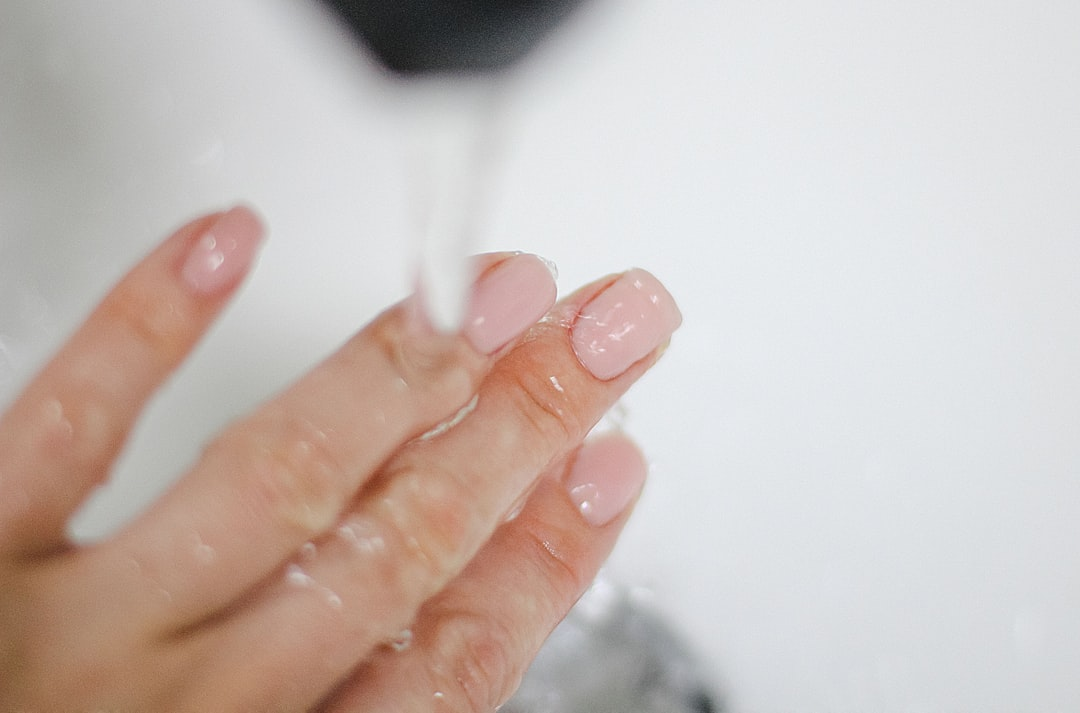
Your nails may look fine one week and then suddenly start splitting at the tips, peeling in thin layers or feeling rough and weak. This can be frustrating, especially if you try to keep them neat but they still break or peel.
So, why are nails peeling? The most common causes include dryness, repeated contact with water, mechanical damage, incorrect gel removal, over-filing, frequent use of cleaning productsand general weakness in the natural nail. In some cases, peeling can also be linked to irritation, health-related changes or long-term stress on the nail plate.
What does it mean when nails peel in layers?
When a nail peels, the top layers of the nail plate begin separating from each other. This often starts at the free edge, where the nail experiences the most daily pressure.
The nail may look thin, flaky or uneven. Sometimes it splits into visible layers, and sometimes it feels soft and catches easily on clothing or hair.
Peeling does not always mean there is a serious problem, but it usually means the nail plate has become weaker than normal.
Why are my nails peeling?
Too much water exposure
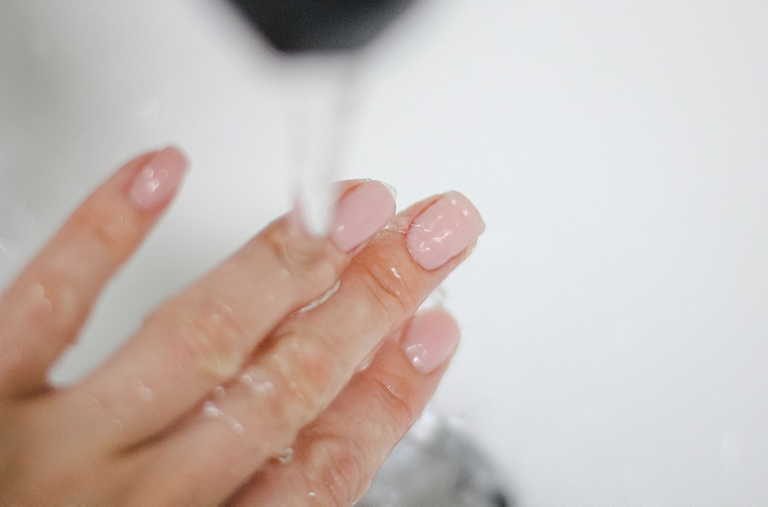
Natural nails can absorb water and then lose it again. Repeated wetting and drying make the nail plate expand and contract.
Over time, this can weaken the structure of the nail and contribute to peeling. People who wash dishes often, clean frequently or work with water may notice this more.
Dryness
Dry nails are usually more fragile. When the nail plate and surrounding skin lose flexibility, the free edge becomes more likely to split or peel.
Dryness is often worse in colder weather, after frequent hand washing or when hands are exposed to strong cleaning products.
Incorrect removal of gel polish or other product
One of the most common causes of peeling nails is pulling, peeling or scraping product off the surface. This can remove thin layers of the natural nail plate along with the coating.
The result is often a rough and weakened surface that keeps splitting until the damaged part grows out.
Over-filing during manicure preparation
Natural nails usually need only controlled, gentle preparation. Aggressive filing or buffing can thin the nail plate and make it easier for the top layers to separate.
This can happen in the salon or at home if the nails are filed too often or too forcefully.
Using nails as tools
Opening cans, scratching labels, prying open lids and lifting small objects with the nails puts repeated pressure on the tips. Even if this seems minor, it slowly damages the free edge.
When nails are already dry or thin, these small actions can quickly make peeling worse.
Frequent contact with chemicals
Cleaning sprays, detergents and other chemicals can dry the skin and surrounding cuticles. They may also weaken the condition of the natural nails over time.
Gloves help reduce this exposure and protect the nails during household work.
Weakness after repeated damage
If nails have already been peeled, over-filed or repeatedly stressed, they may continue splitting for a while. The visible damage does not disappear immediately.
The weakened section must gradually grow out, which takes time.
Why do nails peel after gel polish?
Gel polish itself is not always the problem. More often, peeling happens because of what happened before application or during removal.
If product is peeled off instead of removed correctly, layers of the natural nail may come away with it. If the nail was buffed too aggressively before the service, it may already be thinner and more vulnerable.
Sometimes clients also keep nails too long for their natural strength. When long natural nails bend under product, the free edge may begin splitting underneath.
If peeling happens after every manicure, it is worth reviewing the product choice, removal method and the overall condition of the natural nails.
Can dry nails peel?
Yes. Dry nails often peel more easily because they become less flexible. Instead of bending slightly under pressure, they may split at the edge.
Dryness often affects both the nails and the skin around them. Cuticles may look rough, and the hands may feel tight after washing.
This is why nail care should focus not only on the nail itself but also on the surrounding skin.
How to fix peeling nails
Keep the nails shorter for a while
Shorter nails usually experience less pressure than long nails. If the peeling is mainly at the tips, reducing the length can prevent further splitting.
This does not solve the problem immediately, but it gives the weakened section a better chance to grow out without more damage.
Use cuticle oil regularly
Cuticle oil helps support the skin around the nails and improves flexibility. While it does not magically repair severe damage, it can help reduce dryness and improve how the nails look and feel.
Regular use is usually more helpful than occasional use.
Wear gloves for cleaning and dishwashing
Gloves reduce contact with water and detergents. This is one of the simplest and most effective habits for people whose nails peel often.
If you already have weak nails, even a short period of better protection can make a visible difference.
Do not peel product off
If gel polish, BIAB or another coating begins lifting, do not pull it away from the nail. This can remove more layers and make recovery take longer.
Have it removed or repaired safely instead.
Be gentle with filing
Use a file carefully and only to smooth rough edges. Sawing the nail back and forth aggressively can make peeling worse, especially when the nail is already thin.
If the nails are very damaged, it is better to let a professional shape them.
Use hand cream consistently
Hand cream supports the skin barrier and helps reduce overall dryness. It works well together with cuticle oil as part of a simple nail-care routine.
What makes peeling nails worse?
- Picking at gel polish or peeling product from the nail
- Keeping the nails long while they are weak
- Filing the damaged area too aggressively
- Frequent hand washing without moisturising afterwards
- Cleaning without gloves
- Using the nails to open or scrape things
- Ignoring repeated splitting and hoping it will fix itself quickly
These habits may seem small, but together they keep the nail under constant stress.
Can a manicure help or make it worse?
A manicure can help when it is adapted to the condition of the natural nail. Gentle shaping, proper aftercare advice and the right product choice can support a better result.
But a manicure can make peeling worse if the nails are over-filed, the product is removed incorrectly or the chosen length is too long for the natural nail strength.
In some cases, the best decision is not to apply another cosmetic service immediately. The nails may first need a period of protection and simpler care.
Should you stop wearing gel or BIAB if your nails peel?
Not always. Some clients can continue wearing a product if the natural nail is not seriously damaged and the system is adjusted correctly.
However, if the nails are thin, painful, very soft or peeling in multiple layers, it may be better to pause or change the service. A shorter length, safer removal or a different product plan may be needed.
The decision depends on the real condition of the nail, not only on the wish to keep a coating on it.
When to visit a professional nail technician
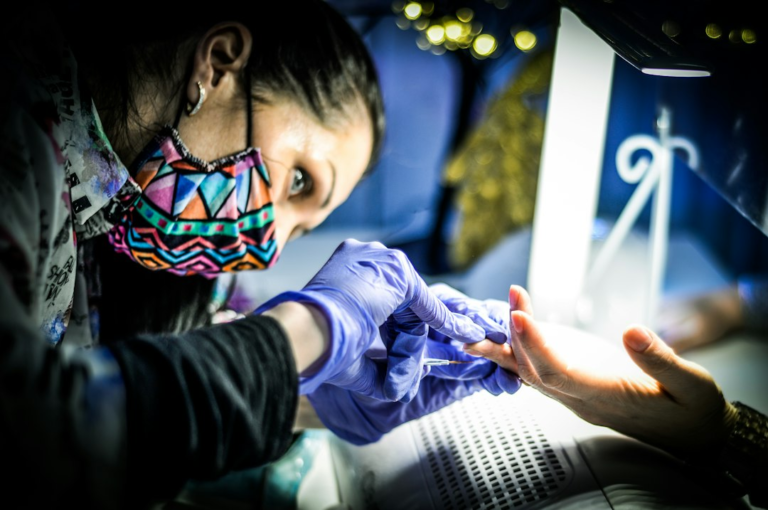
Visit a professional if your nails peel repeatedly, feel much weaker than usual or continue splitting after home care. A nail technician can assess whether the problem is linked to length, product choice, removal or daily habits.
At Glossy Nails Art in Leiden, the condition of the natural nail can be checked before deciding whether to apply colour, use a strengthening system or keep the nails natural for a period.
Professional advice is especially useful when the same problem returns again and again after manicure services.
When to see a doctor or dermatologist
Most peeling nails are related to dryness, damage or repeated stress. However, you should not ignore symptoms such as pain, redness, swelling, unusual colour, thickening, discharge or significant nail separation.
These signs may need medical attention rather than a cosmetic solution. If the problem is severe, persistent or affects many nails for a long time, a doctor or dermatologist should assess it.
Can IBX help weak, peeling or damaged nails?
If your nails are thin, peeling or splitting, one professional option is an IBX nail strengthening treatment. IBX is different from a surface coating such as gel polish or BIAB: Famous Names describes it as a professional natural-nail strengthening system designed to work within the upper layers of the nail plate rather than simply forming a visible layer on top. You can read the manufacturer’s information on the official IBX System page.
IBX is a cosmetic nail service, not a medical treatment. If you have pain, redness, swelling, unusual colour, discharge, significant nail separation or another persistent change, a doctor or dermatologist is more appropriate than a salon treatment.
IBX vs BIAB
BIAB and IBX are not interchangeable. BIAB is a structured overlay worn on top of the natural nail, while IBX is used as a strengthening treatment on the natural nail itself. Which option makes sense depends on whether your goal is recovery-focused care, extra structure, colour or length.
Glossy Nails Art offers IBX Nail Recovery & Strengthening in Leiden. See our current services and prices or book online.
Final thoughts
Peeling nails are usually a sign that the natural nail plate has become weakened. Common causes include water exposure, dryness, aggressive filing, chemical contact, incorrect gel removal and daily mechanical stress.
The best approach is to reduce further damage, keep the nails shorter, use cuticle oil and hand cream regularly and protect the hands during cleaning. Recovery takes time because the damaged part must grow out.
With the right care and realistic expectations, nails often become more comfortable, smoother and stronger over time.
Frequently asked questions
Quick answers
Why do my nails peel in layers?
Nails often peel in layers because the nail plate has become weakened by dryness, water exposure, product removal, over-filing or repeated pressure at the tips.
Can gel polish cause peeling nails?
Gel polish itself is not always the cause. Peeling is more often linked to incorrect removal, peeling product off or over-preparing the natural nail.
What helps peeling nails at home?
Keep the nails shorter, use cuticle oil and hand cream regularly, wear gloves for cleaning and avoid using your nails as tools.
Should I stop getting manicures if my nails peel?
Not always. Some nails can still have a manicure if the service is adjusted properly, but very thin or damaged nails may need a break or a gentler plan.
How long do peeling nails take to recover?
Recovery depends on the amount of damage. The weakened part needs to grow out, so improvement may take several weeks or longer.
When should I see a doctor about peeling nails?
See a doctor or dermatologist if peeling is accompanied by pain, redness, swelling, unusual colour, thickening, discharge or persistent nail separation.
Glossy Nails Art · Leiden
Ready for healthy, beautifully finished nails?
Are your nails peeling, splitting or feeling weaker than usual? Book an appointment at Glossy Nails Art in Leiden for a professional assessment and advice on the best care for your natural nails.
This article provides general nail-care information and does not replace medical advice. For pain, swelling, discolouration or suspected infection, consult an appropriate healthcare professional.