In this article
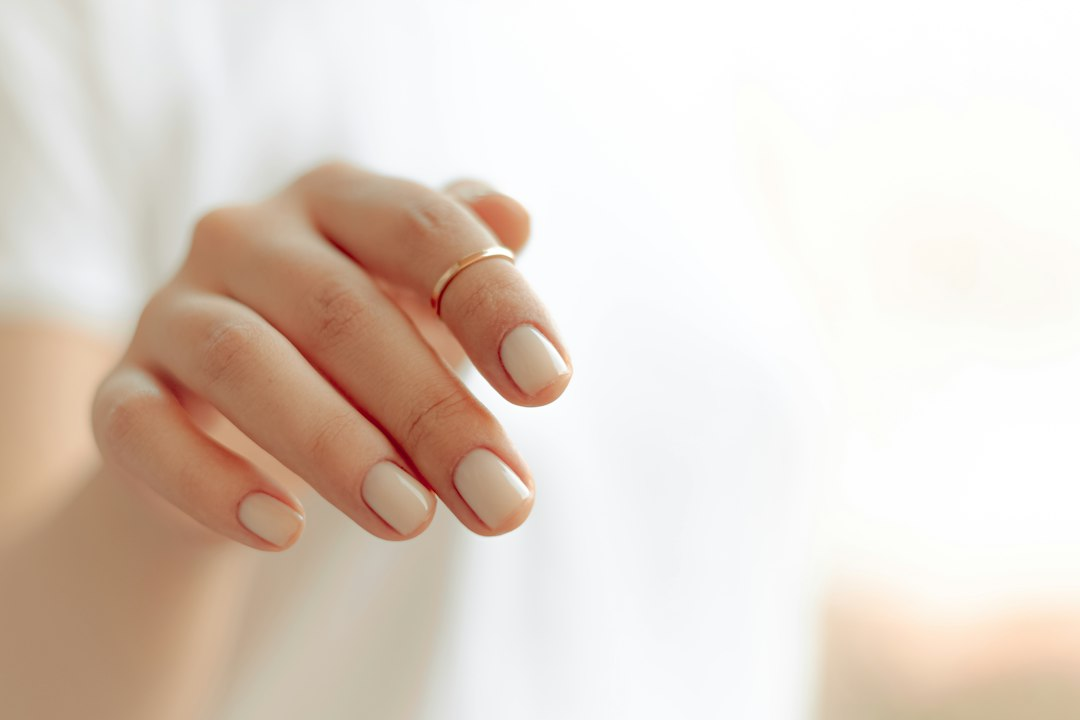
You leave the salon with smooth, glossy nails, but a few days later the gel starts lifting near the cuticle or peeling from the free edge. This is frustrating, especially when you expected the manicure to last much longer.
So, why does gel polish lift? The most common causes are moisture or oil on the nail plate, incomplete preparation, product touching the skin, unsuitable nail structure, incorrect curing, damage during daily activities or picking at the coating. Sometimes the reason is professional technique, but home care and the condition of the natural nails also matter.
How long should gel polish normally last?
A professionally applied gel manicure often remains neat for around two to three weeks. Some clients can wear it longer, while others need maintenance sooner because their nails grow quickly, are flexible or experience more daily pressure.
Small differences in wear are normal. However, large pieces lifting within the first few days usually indicate that something interfered with adhesion or that the coating was placed under too much stress.
It is useful to notice exactly where the lifting starts. Lifting near the cuticle often has different causes from peeling at the tip or cracking on the sides.
Why does gel polish lift near the cuticle?
Product touched the skin
Gel polish should be applied to the nail plate, not the cuticle or surrounding skin. If the product flows onto the skin and is cured there, it cannot form a stable bond with the nail.
As the nail grows and the skin moves, the cured product can lift and create a small pocket. Once water, oil or hair enters that space, the lifting may spread further.
Invisible cuticle remained on the nail plate
The visible cuticle is not the only tissue that needs attention. A thin layer of dead skin can remain attached to the nail plate near the cuticle area.
If this layer is not removed correctly, the gel bonds to dead skin instead of the nail. The result may look perfect at first, but the coating can begin lifting after a few days.
The product was applied too thickly
Thick product near the cuticle can cure unevenly and create unnecessary pressure as the nail grows. It may also flow into the sidewalls before curing.
Thin, controlled layers usually create better adhesion and a cleaner result.
Why does gel polish peel from the nail tips?
The free edge was not sealed correctly
The free edge is the part of the nail that extends beyond the fingertip. It receives frequent pressure from typing, opening packaging, cleaning and other daily tasks.
If the edge is not properly covered and balanced, the coating may begin to separate from the tip. Very short nails can be more difficult to seal because there is little free edge available.
The nails are used as tools
Using nails to open cans, scrape labels, press tight buttons or separate packaging creates repeated stress at the tips. Even a strong gel coating is not designed to replace a tool.
This type of pressure can cause small cracks that gradually develop into lifting or peeling.
The natural nail is separating in layers
If the natural nail itself is peeling, the gel may remain attached to the upper layer while that thin layer separates from the rest of the nail.
In this situation, it may appear that the gel has failed, but the weakness is actually inside the natural nail. Shorter length and suitable reinforcement may be needed until the damaged area grows out.
9 common reasons gel polish lifts early
1. Oil or moisture remained on the nail
Natural oils, hand cream, cuticle oil and moisture can interfere with adhesion. This is why the nail plate must be cleaned and prepared before product application.
Applying rich hand cream or cuticle oil immediately before an appointment may make preparation more difficult. Normal hand washing is fine, but avoid soaking your hands for a long time just before the service.
2. The nail surface was not prepared correctly
The natural nail needs careful preparation. This usually includes removing dead cuticle, cleaning the nail plate and creating a suitable surface for the chosen system.
Too little preparation can reduce adhesion. Too much filing can damage and thin the nail, so aggressive buffing is not a good solution.
3. The wrong product was chosen for the nail type
Not every nail behaves in the same way. Some nails are hard and rigid, while others are thin and flexible.
A coating that is too rigid for a flexible nail may crack or lift when the natural nail bends. A very soft product may not provide enough support for long or weak nails. BIAB, builder gel or another reinforcement system may be more suitable than basic gel polish in some cases.
4. The layers were too thick
Gel products are designed to cure in controlled layers. If a layer is too thick, the light may not penetrate it evenly.
This can leave the product unstable or softer underneath. Thick layers may also shrink during curing and pull away from the edges.
5. The lamp or curing time was unsuitable
Gel polish needs the correct lamp, power and curing time recommended for the product system. A lamp that is incompatible, damaged or too weak may not cure the material properly.
Under-cured product can lift, wrinkle or remain soft. Mixing unrelated products and lamps can also produce unpredictable results.
6. The nail structure was unbalanced
Longer nails need correct structure and support. If the coating is too thin in the stress area, the nail may flex excessively.
Repeated bending weakens the bond between the product and the natural nail. This is especially common when long nails are covered only with a very thin gel-polish layer.
7. Water and chemicals weakened the manicure
Frequent exposure to water can cause the natural nail to expand and contract. Cleaning chemicals may also dry the skin and affect the coating around the edges.
Wearing gloves for cleaning, washing dishes and prolonged water contact helps protect both the manicure and the skin.
8. The client picked or peeled the product
A small lifted corner can be tempting to pull. However, peeling gel from the nail can remove layers of the natural nail plate.
This creates a rougher, weaker surface and makes future lifting more likely. A damaged area should be repaired or removed professionally.
9. Maintenance was delayed too long
As the nail grows, the product structure moves away from the stress area. The longer and more unbalanced the nail becomes, the greater the risk of cracks and lifting.
Regular maintenance keeps the length and structure under control. Waiting until several nails are already lifting usually requires more repair work.
Is lifting always the nail technician's fault?
No. Early lifting can result from application technique, but it can also be caused by the condition of the natural nails, product compatibility, repeated water exposure, physical work or home habits.
A professional technician should still investigate the pattern. If several nails lift in the same place shortly after the appointment, preparation, curing or product choice may need adjustment.
If only one nail lifts after an impact, the cause is more likely mechanical damage. Clear communication helps identify the real reason instead of repeating the same service without changes.
How to prevent gel polish lifting
- Avoid applying hand cream or cuticle oil immediately before the appointment.
- Tell your technician if your nails are very flexible, weak or frequently peel.
- Choose a length that matches your work and daily routine.
- Wear gloves when cleaning or washing dishes.
- Do not use your nails as tools.
- Apply cuticle oil after the manicure to support the surrounding skin.
- Do not pick at small lifted areas.
- Book maintenance before the nails become too long or unbalanced.
Good aftercare does not mean keeping the nails completely dry or avoiding normal life. The goal is to reduce repeated pressure and unnecessary exposure that weakens the coating.
What should you do when gel polish starts lifting?
Do not glue the lifted area or cover it with another layer of polish. Moisture and dirt can become trapped underneath, and the damaged section may continue to spread.
Avoid pulling or peeling the coating. Keep the nail dry, reduce pressure on it and contact your nail technician for advice or repair.
If lifting is accompanied by pain, redness, swelling, unusual colour, discharge or a strong odour, do not simply cover the nail again. Seek advice from a doctor or dermatologist, especially if the symptoms continue.
When is BIAB or builder gel a better option?
Basic gel polish adds colour and a limited amount of strength. It may not be enough for nails that are long, highly flexible, thin or repeatedly break at the stress area.
BIAB or builder gel can provide additional structure when applied correctly. These systems are not automatically better for everyone, but they can be useful when the natural nail needs more support.
The correct choice depends on nail condition, desired length, lifestyle and maintenance schedule. At Glossy Nails Art in Leiden, the product system can be selected after examining the natural nails and discussing how you use your hands.
Common mistakes that make lifting worse
Filing the lifted area aggressively at home
Random filing can thin the natural nail or damage the structure of the manicure. It may also create additional openings around the lifted section.
Covering lifting with regular nail polish
Colour may hide the problem, but it does not restore adhesion. The lifted pocket remains underneath.
Waiting until the product peels off completely
A small repair is often easier than replacing a large damaged section. Leaving lifting untreated can allow the coating to catch and tear more of the natural nail.
Changing products without identifying the cause
Switching from gel polish to BIAB or builder gel may help in some cases, but product choice is only one factor. Preparation, nail length, curing and daily habits must also be reviewed.
When to visit a professional nail technician
Book a repair if the coating lifts, cracks or separates from the natural nail. A technician can remove the unstable product, inspect the nail and decide whether the same system should be reapplied.
Professional assessment is particularly useful when lifting happens repeatedly. The technician may adjust the preparation, length, structure, lamp settings or type of product.
At Glossy Nails Art in Leiden, recurring lifting can be evaluated based on where it begins, how quickly it appears and what pressure your nails experience in daily life.
Final thoughts
Gel polish usually lifts because the bond between the coating and the natural nail has been weakened. The reason may be oil, moisture, remaining cuticle, incorrect curing, unsuitable structure, mechanical pressure or damage to the natural nail.
The best solution is not to add more product over the lifted area. Identify the cause, repair the nail correctly and choose a system that matches the condition of your nails and your lifestyle.
With proper preparation, suitable products and realistic aftercare, a gel manicure can remain neat, comfortable and durable until the next appointment.
Featured photo: Ellie Eshaghi / Unsplash.
Frequently asked questions
Quick answers
Why is my gel polish lifting after only a few days?
Common causes include oil or moisture on the nail, remaining cuticle, product touching the skin, incorrect curing, unsuitable nail structure or repeated pressure during daily activities.
Why does gel polish lift at the cuticle?
Lifting near the cuticle often happens when product touches the skin, invisible cuticle remains on the nail plate or the gel is applied too thickly in that area.
Can I glue down lifted gel polish?
No. Glue can trap moisture and does not restore the original bond. The unstable product should be removed or repaired professionally.
Does BIAB prevent gel polish from lifting?
BIAB can provide more structure for flexible or weak nails, but it will not solve lifting caused by poor preparation, incorrect curing or unsuitable aftercare.
Should I peel off gel polish when it starts lifting?
No. Peeling can remove layers of the natural nail and make future lifting more likely. Contact your nail technician for repair or safe removal.
How can I make my gel manicure last longer?
Choose a practical length, wear gloves for cleaning, avoid using nails as tools, do not pick the coating and book maintenance before the nails become overgrown.
Glossy Nails Art · Leiden
Ready for healthy, beautifully finished nails?
Is your gel polish lifting earlier than expected? Book a manicure or repair appointment at Glossy Nails Art in Leiden so we can assess your natural nails and choose a suitable product and structure.
This article provides general nail-care information and does not replace medical advice. For pain, swelling, discolouration or suspected infection, consult an appropriate healthcare professional.